Dead Tree Removal in Reno, NV
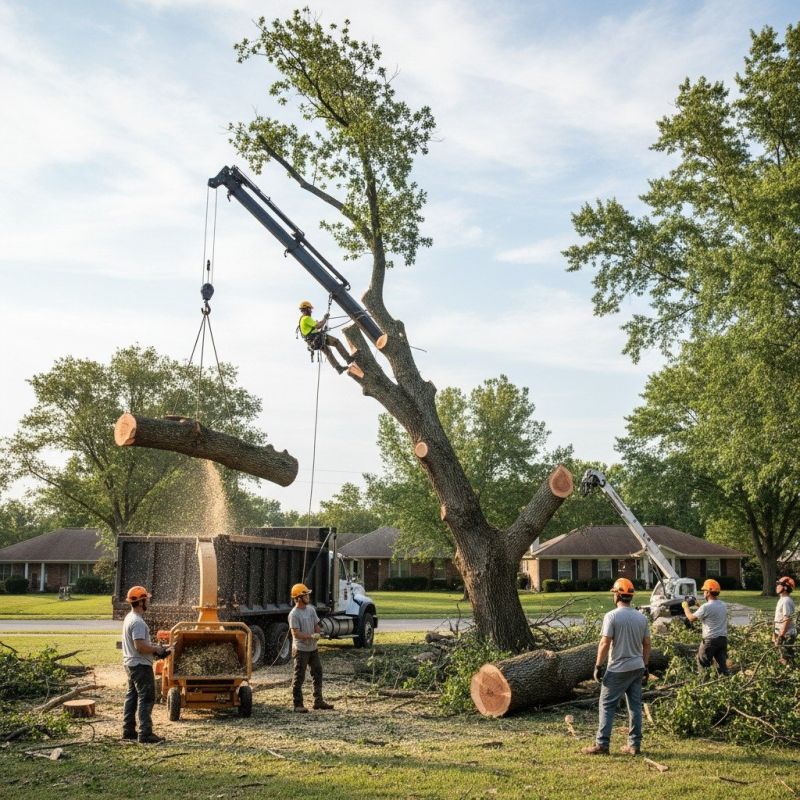
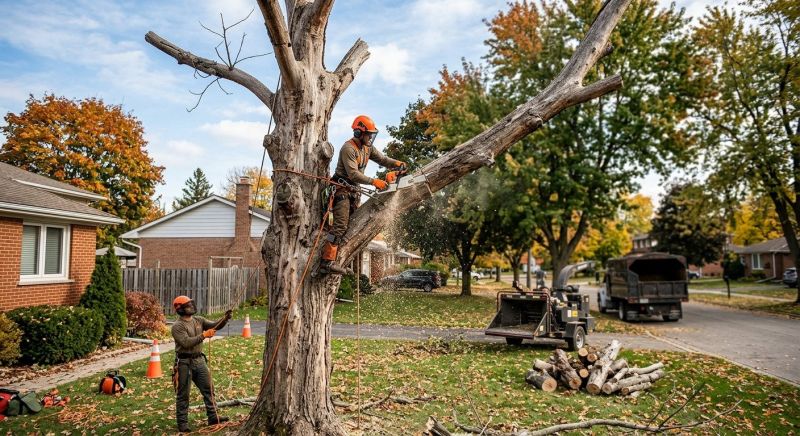
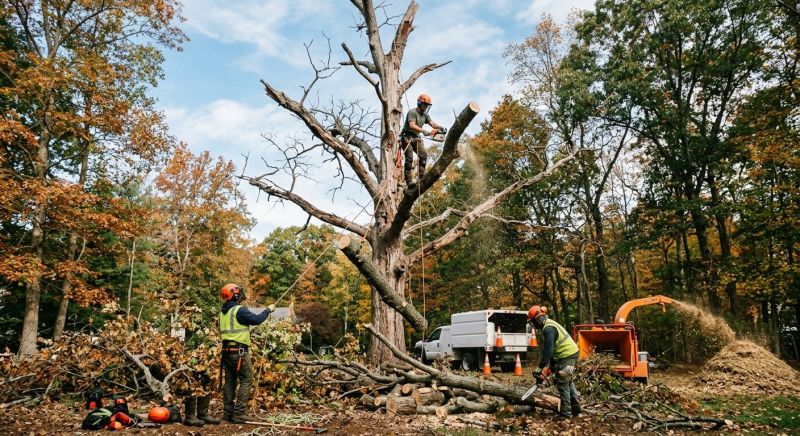
Dead tree removal services involve safely and efficiently removing trees that are dead, dying, or pose a risk to property or safety. This type of project typically includes assessing the tree’s condition, planning the removal process, and using specialized equipment to carefully cut and remove the tree while minimizing impact on surrounding landscapes. Homeowners often request this service when a dead or hazardous tree threatens structures, power lines, or public safety, or when ongoing decay could lead to falling branches or total tree collapse.
Before requesting dead tree removal, property owners should consider the size and location of the tree, as well as any potential obstacles such as nearby structures, fences, or utility lines. It’s important to understand the scope of work involved, including whether the removal will include stump grinding or cleanup afterward. Proper planning helps ensure the process is safe, efficient, and aligned with the property’s needs, reducing the risk of damage or injury during the removal.
Many property owners in Reno, NV look into Dead Tree Removal for repairs, replacements, upgrades, and appearance-related improvements.
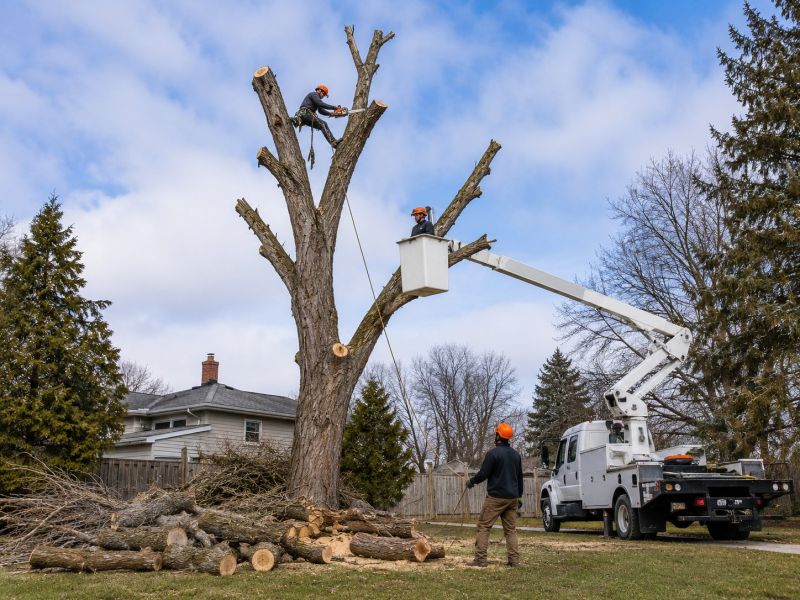
Dead Tree Removal Services
Examples of dead tree removal work property owners may explore in reno, nv.
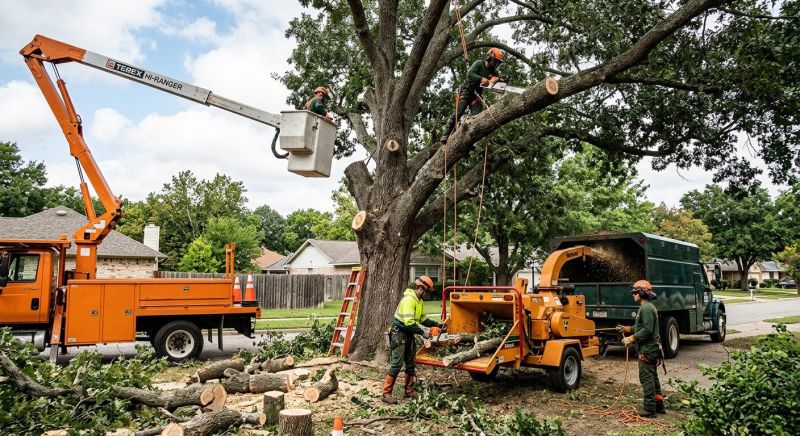
Dead Tree Removal Updates
Common ways people refresh, improve, or restore dead tree removal features in reno, nv.
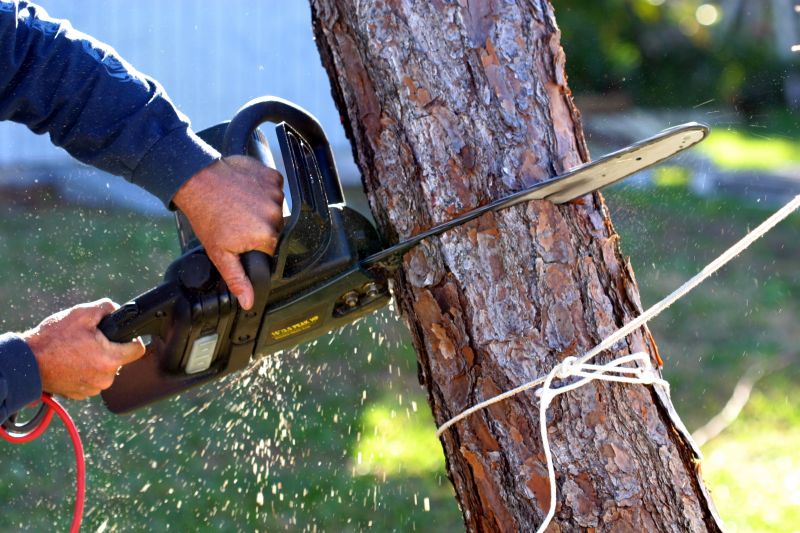
Dead Tree Removal Options
Different styles, layouts, and finishes people consider for dead tree removal in reno, nv.
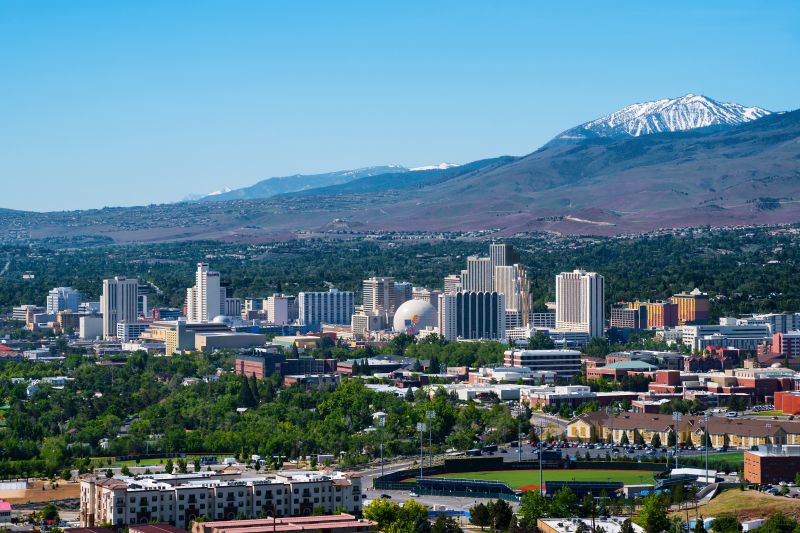
Dead Tree Removal in Reno, NV
Dead tree removal services involve safely and efficiently removing trees that are dead, dying, or pose a risk to property or safety. This type of project typically includes assessing the tree’s condition, planning the removal process, and using specialized equipment to carefully cut and remove the tree while minimizing impact on surrounding landscapes. Homeowners often request this service when a dead or hazardous tree threatens structures, power lines, or public safety, or when ongoing decay could lead to falling branches or total tree collapse.
Before requesting dead tree removal, property owners should consider the size and location of the tree, as well as any potential obstacles such as nearby structures, fences, or utility lines. It’s important to understand the scope of work involved, including whether the removal will include stump grinding or cleanup afterward. Proper planning helps ensure the process is safe, efficient, and aligned with the property’s needs, reducing the risk of damage or injury during the removal.
Many property owners in Reno, NV look into Dead Tree Removal for repairs, replacements, upgrades, and appearance-related improvements.
Common Dead Tree Removal Jobs
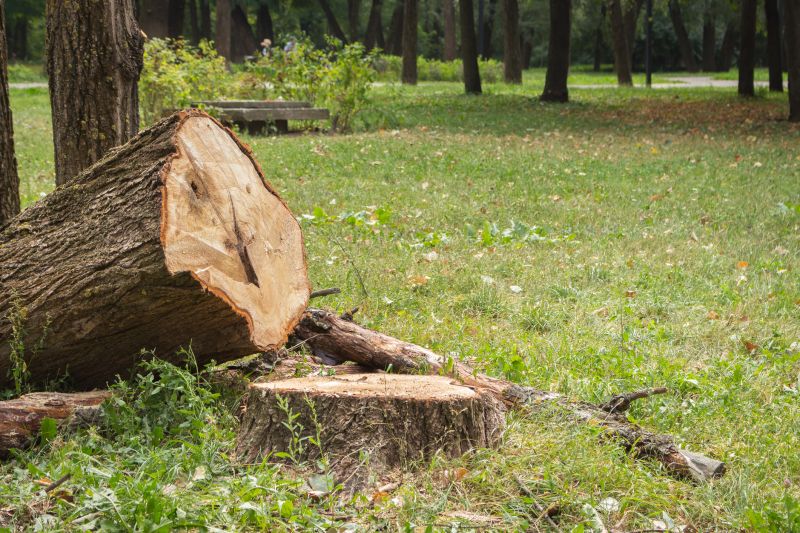
Dead tree removal involves safely cutting down and removing hazardous or unwanted trees from the property.
Stump grinding helps eliminate remaining stumps to improve landscape safety and appearance.
Emergency tree removal addresses urgent situations caused by storm damage or safety hazards.
Selective tree removal targets specific trees to promote healthy growth and maintain landscape design.
Hazardous tree assessment identifies trees at risk of falling or causing damage before removal is needed.
Tree cleanup and debris removal ensures the property is cleared of fallen branches and leftover wood after removal.
Dead Tree Removal Questions
What types of trees are suitable for removal? Most types of dead or hazardous trees can be removed, regardless of species or size.
Is dead tree removal necessary for safety? Yes, removing dead trees reduces the risk of falling branches or trees causing damage.
What should property owners consider before removal? It’s important to assess the tree’s location, condition, and potential impact on surrounding structures.
Does dead tree removal affect nearby landscaping? Removal can help prevent damage to existing plants and maintain the overall appearance of the property.
Request Dead Tree Removal in Reno, NV
Use the quote form on this page to share the basics of your project and request more information for the type of work you need.